
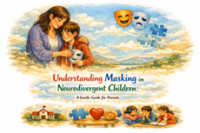
As parents, we all want our children to feel accepted, confident, and free to be themselves. But some kids—especially neurodivergent children—may feel pressure to act differently when they’re out in the world. This behaviour is called masking and understanding it can help us better support our children.
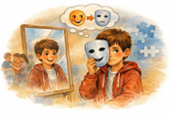
What Is Masking?
Masking is when a person changes how they behave to fit in or meet others’ expectations. These changes can be conscious or completely automatic. Both neurotypical and neurodivergent people mask at times, and masking is often referred to as camouflaging.
Why Children and Teens Mask
Children and teens may mask to:
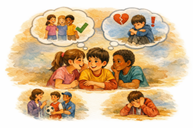
- Fit in with peers or form friendships
- Avoid bullying or exclusion
- Meet expectations from adults such as parents, teachers, or coaches
- Minimise conflict or criticism
Neurodivergent children may use masking more often and with more effort, especially if they are trying to appear more “neurotypical” in social situations
What Masking Can Look Like
Masking can show up differently for every child. Examples include:
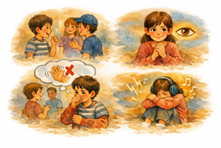
- Copying the speech or tone of peers
- Forcing eye contact even when uncomfortable
- Hiding or suppressing tics
- Reducing or hiding stimming (like hand‑flapping or rocking)
- Holding in sensory reactions
- Avoiding sharing special interests
- Working extra hard to keep conversations going
- Not asking for support they need
These examples are commonly seen in neurodivergent children and teens who are trying to blend in socially.
How Masking Affects Neurodivergent Kids
Although research on children is still emerging, many neurodivergent adults report both benefits and challenges associated with masking.
Possible benefits may include:
- Helping them fit in socially
But masking can also contribute to:
- Exhaustion and burnout
- Higher anxiety or emotional distress
- Meltdowns or shutdowns at home after holding everything in
- Difficulties with identity and self‑esteem
- Challenges forming authentic friendships
- Stress‑related physical symptoms
These effects are well described in the Raising Children Network’s overview of masking in neurodivergent children.
Masking can also sometimes make it harder for professionals to recognise a child’s underlying needs, which may delay a diagnosis or access to support.
Signs Your Child Might Be Masking
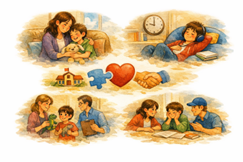
Masking often happens in structured or social environments such as school. Many parents notice differences between home and school behaviour, such as:
- Teachers describing their child as quiet or compliant, while at home they may unravel from exhaustion
- After‑school meltdowns
- A child who seems “on edge” after social events
These patterns are commonly discussed in relation to masking.
Supporting a Child Who Masks
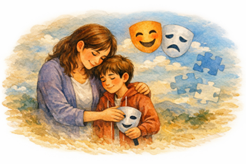
If you think your child may be masking and it is affecting their wellbeing, you can support them with gentle, affirming strategies.
- Create Safe Spaces
Let home be a place where your child can simply be themselves—free to stim, express their feelings, and relax without pressure or correction.
- Prioritise Rest and Recovery
Downtime is essential, especially after school or busy social environments. Breaks help them regulate and recharge.
- Celebrate Their True Selves
Avoid encouraging behaviours that feel forced or unnatural for them. Encourage their passions, interests, and communication style.
- Practise Authenticity
If your child wants to mask less, practising social situations in a safe space—or working with a supportive therapist—can help build confidence in being themselves.
- Collaborate With Schools and Clubs
Working proactively with teachers, coaches, and organisations can reduce pressure to mask by ensuring your child’s needs are understood and supported.
All these approaches align with guidance from the Raising Children Network for supporting neurodivergent children who mask.
Final Thoughts
Masking can be a complex and emotionally demanding experience for neurodivergent children. By understanding it, looking for signs, and creating supportive environments, we can help children feel safe enough to express their true selves—without feeling they need to hide who they are.
