
Talking to a child after an act of terrorism is difficult, and how you respond should depend largely on the child’s age, temperament, and what they already know.
Below are clear, research-based guidelines with example language you can adapt.
Guidelines for all ages
- Stay calm and grounded
Children take emotional cues from adults. Even if you’re distressed, try to speak slowly and calmly. - Start by asking what they know
This prevents misinformation and lets you correct gently.- “Can you tell me what you heard about what happened?”
- Be honest, but limit details
Avoid graphic or sensational descriptions. More detail does not help children feel safer. - Validate feelings
There is no “wrong” reaction.- “It makes sense to feel scared or confused.”
- Emphasize safety and helpers
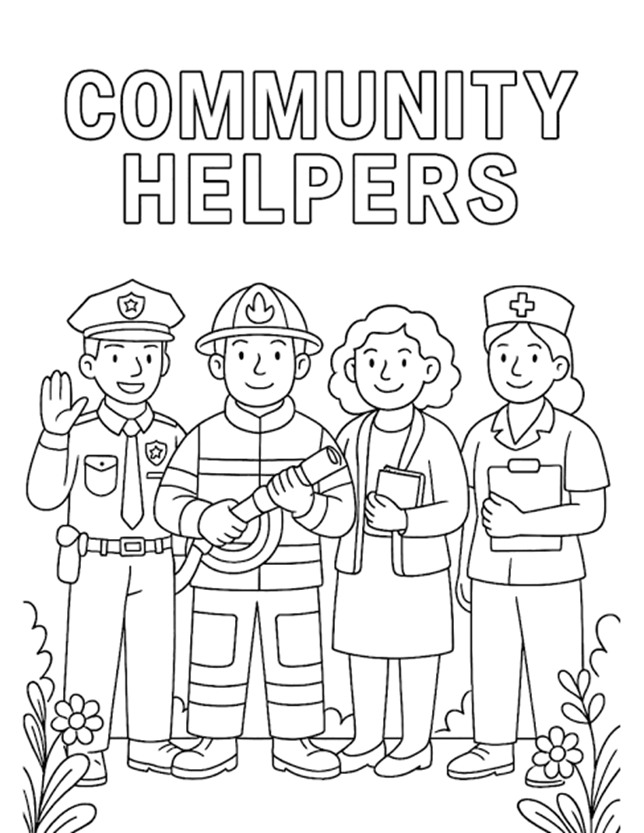
Balance fear with reassurance.- “Many people work every day to keep us safe, and they responded quickly.”
- Limit media exposure – For them and for you
What to Say by Age Group
Young Children (ages 3–7)
Only answer the question they ask
Keep explanations simple and concrete.
Example response:
“Something bad happened far away, and some people were hurt. It wasn’t your fault, and you are safe right now. Grown-ups like police and doctors are helping.”
Avoid: naming groups, motives, or showing news footage.
School-Age Children (ages 8–12)
Only answer questions they ask
They can understand more detail and need reassurance.
Example response:
“This was an act of violence meant to scare people. It’s very rare, and it doesn’t mean it will happen here. What questions do you have?”
Ask if they have any other questions, answer briefly and truthfully.
It is ok to tell them that you don’t understand yourself.
Teenagers
They may want deeper discussion and have strong opinions.
Listen to their opinions as they are valid. Ensure that it is kept respectful
Example response:
“This was an intentional act meant to create fear. It’s okay to feel angry or worried. Let’s talk about what you’ve seen and what you think.”
You can discuss causes, ethics, and media bias—without glorifying perpetrators.
What to Avoid Saying
- “Everything is fine” as this can dismisses feelings
- “Don’t worry about it” as it shuts down communication
- Speculating or blaming groups
- Replaying disturbing news footage together
Remind your child that if they feel worried later, they can always come talk to you and you both can figure it out together.
Signs Your Child May Need Extra Support
- Trouble sleeping or frequent nightmares
- Increased clinginess or separation anxiety
- Physical complaints (headaches, stomach-aches)
- Withdrawal or aggressive behaviour
- Changes in eating pattern
At the end of the day, you are the expert of your child and if you have concerns, please seek help.
Useful number include:
Lifeline 13 11 14
Beyond Blue 1300 22 4636
Kids Helpline 1800 55 1800Top of Form
